

A Home Move Done Right Takes More Than a Truck

Residential Moving Specialists Built for GTA Homes

From logistics planning and property protection to final placement and reassembly, our crews manage every phase of your residential move with precision and care. Get your free estimate today.

Professional residential movers planning and executing a home move
Expert

What Residential Moving Actually Involves

Most homeowners who have moved before still underestimate what a second move requires. Between booking a truck and arriving at a new address sit six to eight hours of sequenced decisions that determine whether furniture arrives intact, floors come out unmarked, and the job ends when it should. A professional crew reads the property before touching anything: load order, which pieces need disassembly, carry paths, stairwell clearances. Pieces loaded in the wrong sequence create access problems at the destination. Weight distributed unevenly across a truck bed shifts on the highway. These failures are routine on moves that were never properly scoped. A residential move with a full kitchen, a home office, and fragile pieces across four rooms is a logistics operation, and it needs to be treated as one.

Time compounds everything once the crew is on site. A crew that misreads a three-bedroom house as a four-hour job runs out of capacity before it runs out of work. Accurate scoping means accounting for elevator booking windows, parking constraints, narrow hallways, and the real cubic footage of what fills a home. That planning work happens before the truck arrives. The moves that go sideways are the ones where that step was skipped.

Every Type of Residential Move We Handle

From a single-room studio to a multi-generational family home, each move type has its own requirements and its own ways to go wrong.

Bachelor and Studio Moves

Studio moves run lean: a two-person crew, a smaller truck, and a target of three to four hours. Everything still gets wrapped and loaded correctly. Less volume means less complexity, and a fast turnaround is achievable when the job is properly planned going in.

One and Two Bedroom Moves

The most common residential move we handle. A well-organized one-bedroom typically takes four to five hours; a loaded two-bedroom with a full kitchen and a home office runs six to eight. The variable between those two outcomes is usually how accurately the estimate was scoped at the start, not how hard the crew works on the day.

Full House Moves

Three-bedroom and larger homes require multi-crew coordination and a room-by-room sequence plan. Heavy furniture exits on a schedule that accounts for the destination layout. Moving a sectional sofa out first accomplishes nothing when it blocks the stairwell on arrival at the new address. Sequencing is what separates a smooth full-house move from a chaotic one.

Multi-Generational Household Moves

Homes accumulated across decades present a volume challenge that standard move plans do not address. Multiple truck loads, clear decisions about what relocates versus what goes to storage or disposal, and extended crew time are all requirements. Volume surprises on moving day drive the over-budget, over-schedule outcomes that define a bad move experience.

Renovation Moves

When a home is under renovation, furniture and appliances often need temporary staging off-site or in other rooms. We coordinate against the renovation timeline, move items to storage when needed, and return them once the work is done. A delayed return delivery can hold up a contractor's calendar and push costs up for the homeowner, so precision scheduling matters here.

Long Distance Residential Moves

Beyond local range, the logistics change entirely. Truck size, load securing, route planning, and delivery windows all require more rigorous advance planning. Items that survive an unprotected local move will not hold up over three or four hours on the highway. We scope long distance moves separately, with preparation requirements matched to the actual demands of the run.

Moving crew applying furniture blankets and protective equipment in a home
Premium

Our Equipment and Home Protection

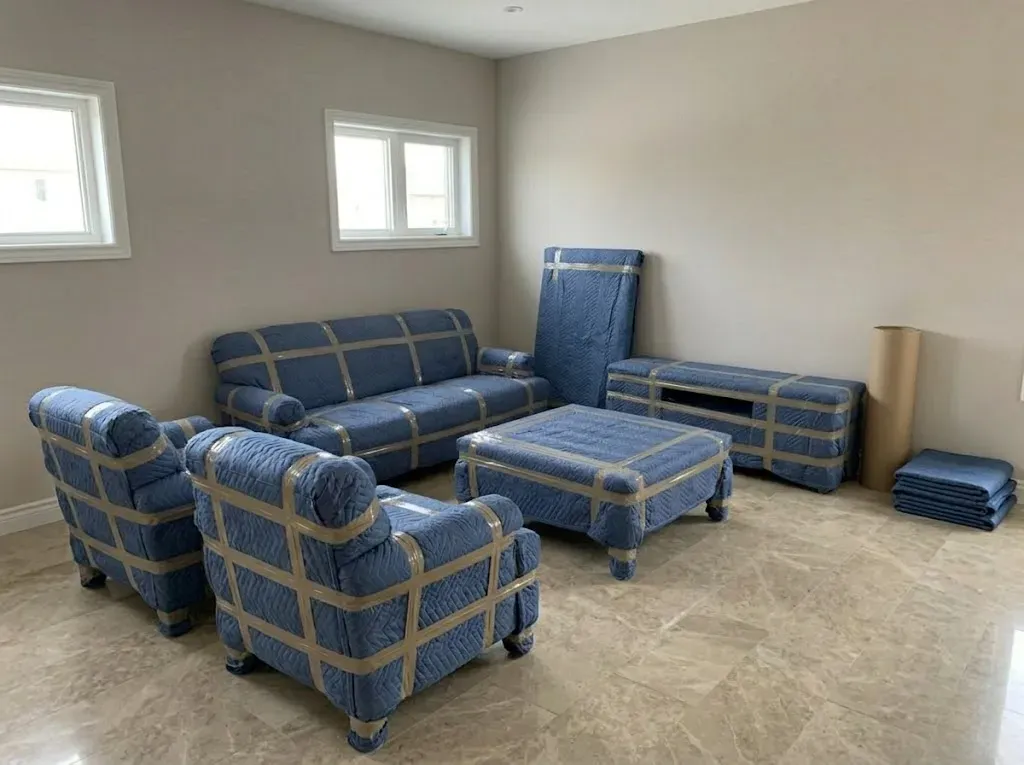
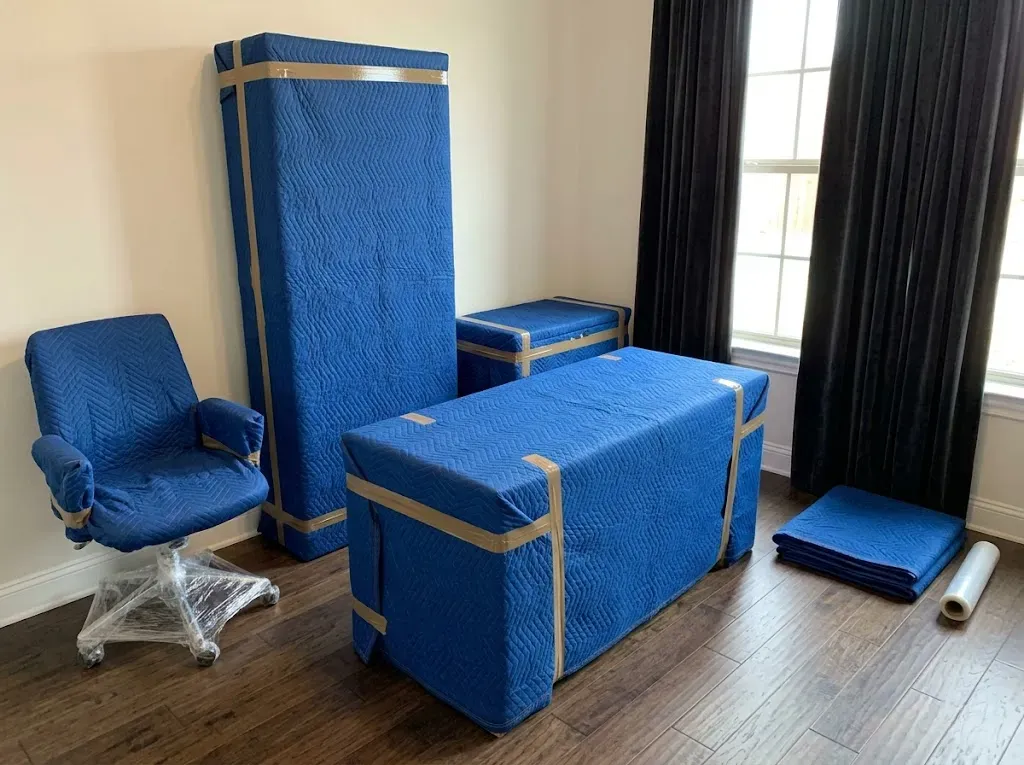
Every residential move deploys the same core equipment set. Heavy-duty furniture blankets go around upholstered pieces before they leave the room. Stretch plastic wrap goes over those blankets on sofas, mattresses, and fabric chairs, keeping the padding fixed during transport. Door frame protectors are installed before the first piece moves; scratched frames on move-out day cost security deposits and delay closing paperwork. Floor runners cover high-traffic paths from the main rooms to the exit. Appliance dollies, four-wheel platform dollies, and stair-climbers are each matched to specific load types. Using the wrong equipment on the wrong item is one of the most common sources of damage on jobs staffed with undertrained crews.

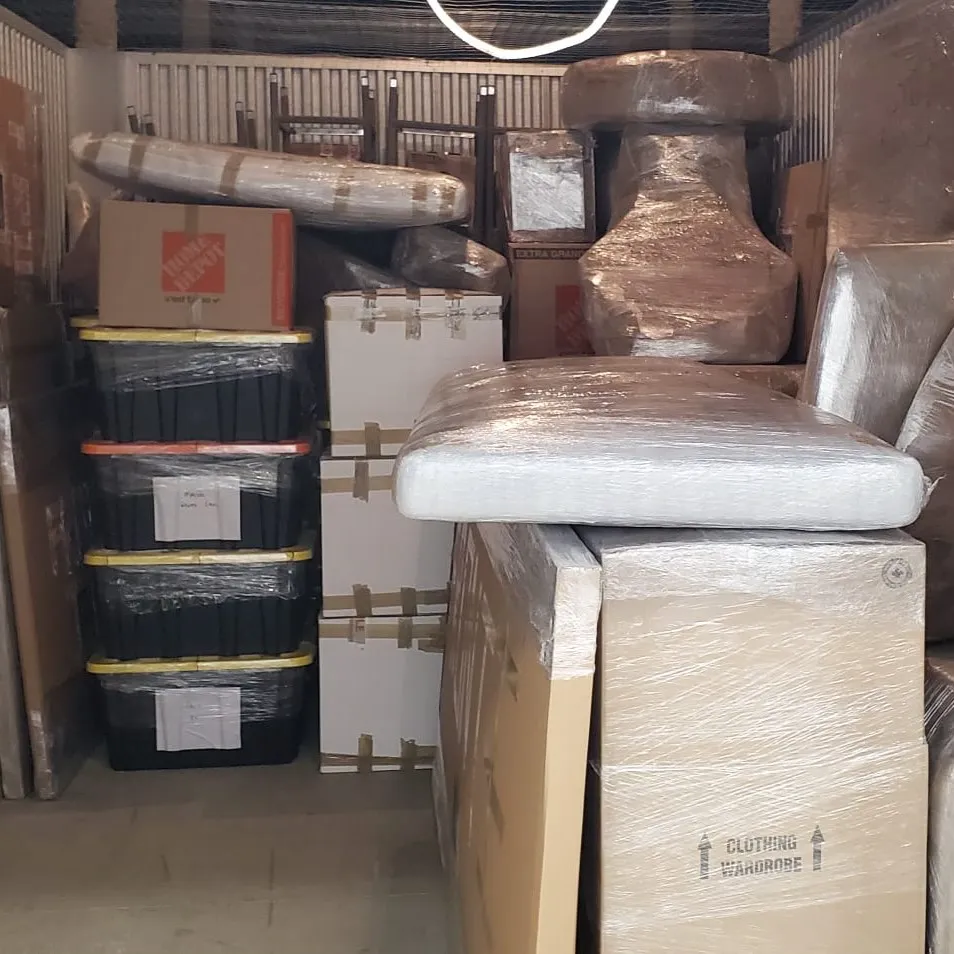
Truck selection is matched to actual volume. A truck sized below the job volume requires multiple runs, roughly doubling the labour time. Too much unused space in the truck means loads can shift in transit. Inside the truck, load order follows a strict sequence: heaviest and most stable pieces against the walls, lighter boxes stacked above, furniture oriented to reduce contact stress. Tie-down straps are applied across all stacks before the truck moves. This is standard procedure on every job.

READY TO MOVE?

Still have questions? Let's talk.

Our team is available 9am - 9pm, 7 days a week to help plan your perfect move.

WHAT HAPPENS WHEN YOU HIRE
THE WRONG MOVERS

Ontario has no provincial licensing requirement for moving companies. Anyone with a truck can legally advertise moving services, and the market reflects that reality. Undertrained crews, uninsured operations, and quote-and-inflate billing are common. A low quote that grows by several hundred dollars on moving day is a deliberate pricing structure. Damage that occurs during an uninsured move leaves the homeowner with no recovery path beyond small claims court, which rarely returns the full value of what was lost.

Move Your Stuff carries full cargo and liability insurance on every residential job. Pricing is itemized at the estimate stage. Crews are trained in-house, and over 15 years of operation, when unexpected situations have arisen on jobs, the claims process runs directly through us. Picking a mover based on the lowest figure in your inbox is a calculation that tends to produce the most expensive outcome by the time the job closes.

Our Residential Moving Process In Depth

Six stages, each with a specific purpose. This is how a professionally managed home move actually unfolds from first contact to final walkthrough.

01
The Estimate

We assess the home in person or via a detailed walkthrough video for remote clients. The goal is to catalogue furniture dimensions, stairwell access, parking availability, floor types, and any items requiring special handling. A bedroom count produces a guess. This assessment produces an accurate quote.

02
Move Order Planning

Before the crew arrives, the move is sequenced: which rooms clear first, which items disassemble, and how the load order maps to the destination layout. The sequence plan is reviewed with the crew lead before the job begins.

03
Property Preparation

Door frame protectors and floor runners go in before the first item moves. Elevator booking confirmations are verified. Parking is staged to minimize carry distance. The truck is positioned before the crew enters the building. These setup steps take five to ten minutes and prevent a much longer list of mid-job problems.

04
Disassembly, Wrapping and Loading

Furniture is disassembled in the room, not in the hallway. Every wrapped piece is labelled for destination placement. Items load into the truck in reverse destination order, so the first piece out at the new address is the last piece loaded in. This prevents the most common unloading bottleneck.

05
Placement and Reassembly

Placement at the destination follows the plan. Furniture goes into the specified room and position before reassembly begins. Once assembly is complete, the crew lead walks through the space with the client to confirm placement and identify any concerns before the job closes.

06
How to Prepare on Your End

Disconnect and defrost appliances 24 hours before moving day. Label boxes with room destinations, not content descriptions. Keep valuables, medications, and irreplaceable documents in your own vehicle. Maintain a clear path from each room to the exit. These four steps add nothing to the job's duration when done in advance and prevent the majority of day-of delays when they are not.

15+
Years Specializing in GTA Residential Moves

96%
of New Clients Arrive Through Direct Referral

100%
Family-Owned and Operated Since Day One

Homeowner FAQs

Common Questions About Home Moving

Answers to the questions homeowners ask most before booking a residential move.

How far in advance should I book a residential move?

For peak months, May through September, book three to four weeks out at minimum. Spring weekends and end-of-month dates fill first. Outside of peak season, one to two weeks is typically sufficient. Last-minute availability exists but cannot be guaranteed, and end-of-month Fridays in summer are the first slots to go.

What factors affect the price of my move?

Move duration drives most of the cost, and duration is shaped by volume, access conditions, and distance between the two locations. Stairwells, long carries, elevator wait times, and items requiring disassembly all extend the time on the clock. Additional services such as packing, storage coordination, or specialty item handling are itemized separately. The estimate you receive will break each of these down line by line so there are no surprises on moving day.

Do I need to empty my dresser drawers?

Light clothing can stay in drawers for a local move, provided the piece is structurally sound and won't tip during transport. Heavy items, breakables, and anything that adds excessive weight should come out. For long distance moves, empty the drawers entirely.

What items can you not move?

Hazardous materials including propane tanks, gasoline, paint, and aerosols are outside what we transport. Perishable food, plants, and high-value items like cash and irreplaceable documents should travel with you. If you have a specific item in question, raise it at the estimate stage and you will get a direct answer.

What if my move takes longer than estimated?

Additional time is billed at the same hourly rate quoted at the estimate. We communicate clearly if we see the job running over the estimated window. Estimates are priced to be accurate.

Do you move appliances?

Yes. Refrigerators, washers, dryers, stoves, and dishwashers move with appliance dollies and proper securing. Appliances should be disconnected before the crew arrives, and refrigerators defrosted 24 hours in advance. Gas line and plumbing disconnection require a licensed tradesperson and fall outside the scope of a moving crew.

What payment methods do you accept?

We accept e-transfer, credit card, and cash. Payment is collected at job completion. Standard residential moves do not require a deposit.

Is my furniture insured during the move?

Move Your Stuff carries full cargo insurance on all residential jobs. Coverage applies to damage that occurs during the move. If a claim is warranted, damage is documented on site and the process runs directly through us, with no third-party adjusters and no extended dispute timelines. What happened, what it cost, and how it gets resolved is handled between us and the client.

Do you do same-day or last-minute moves?

Subject to crew and truck availability, yes. Call directly for same-day or next-day availability rather than submitting an online request. Same-day capacity changes throughout the day and a phone call produces a faster answer.

Residential moving support team answering homeowner questions
Home Experts

Move Your Stuff Moves It Best

  • Experience a stress-free move with Move Your Stuff. Choose us, and here's what you can expect:

  • Initiate a personalized discussion with our friendly representatives to outline your unique needs.

  • Collaborate with our adept management to craft a meticulous plan, leaving no room for unexpected surprises.

  • Entrust your move to a team with a sterling reputation throughout the GTA, boasting years of proven experience.

  • Enjoy bespoke moving procedures tailored to accommodate the specific demands of commercial ventures or relocations.

  • Prioritization of your organizational needs as we expedite the process of getting your space in order swiftly and efficiently.

  • Respect for your time is our commitment; we dispatch promptly and communicate transparently, ensuring minimal disruptions.

GET AN ESTIMATE

Which Services Do You Require (select multiple)?

Check Your Email After Submission

CLEAN, HASSLE-FREE, & MONTHLY BIN RENTAL

  • Premium quality bins with versatile sizing

  • Seamless waste disposal with affordable bin rentals

  • Month-long bin rentals at competitive pricing

  • Fully licensed and insured with fast, 5-star customer service

  • Flat rates and upfront quotes with no hidden charges

  • Flexible short and long-term rental plans available

  • Specific bin sizing to help you save space and costs

  • Environmentally sustainable practices

OUR SERVICE AREAS

Residential Moving Across the GTA

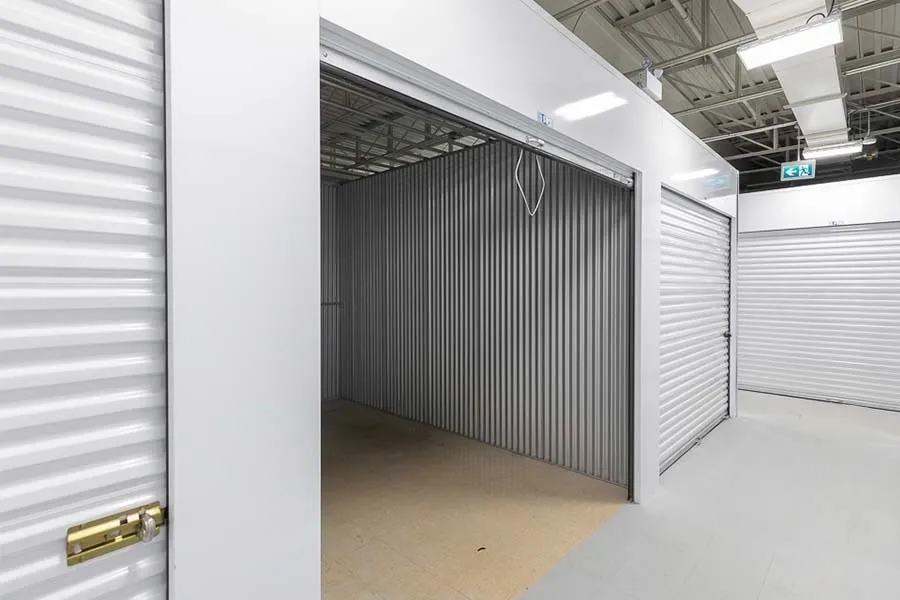
7 Moving Tips to Organize Your Storage Unit blog post image
Organizing a storage unit can seem like a daunting task, especially when faced with a plethora of items to store.
7 Steps to Choose the Right Moving Company blog post image
Choosing the right moving company is a crucial decision that can significantly impact the success and smoothness of your relocation.