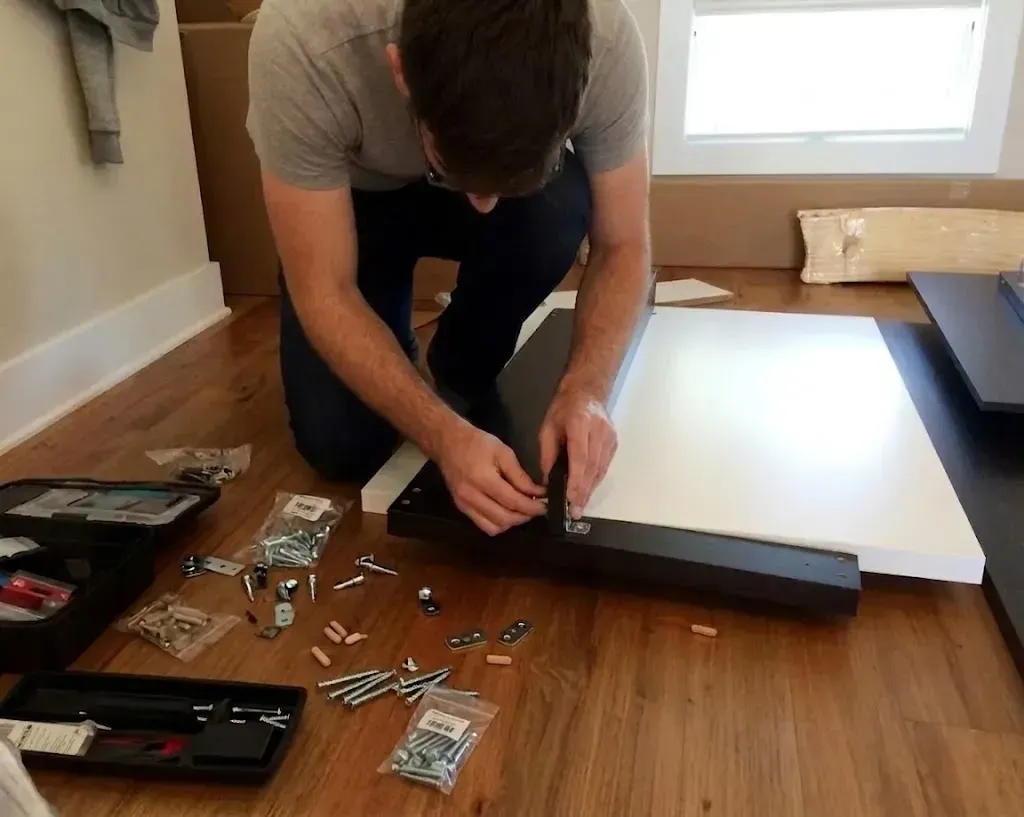
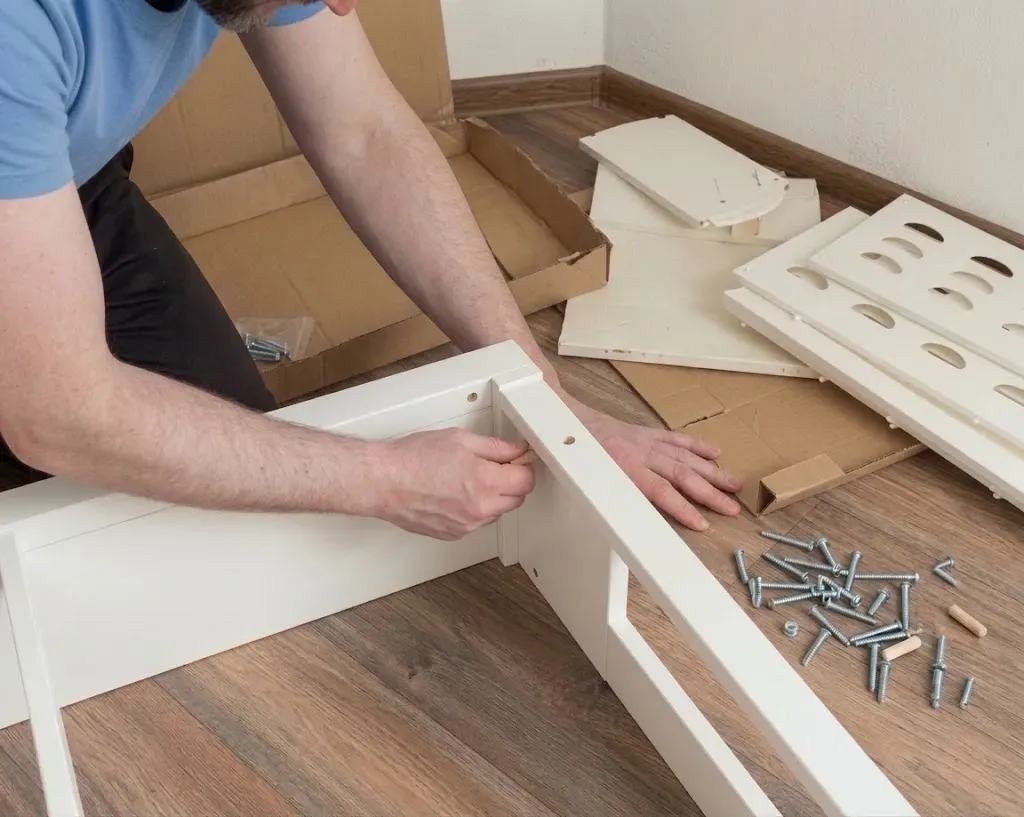


A professional assembler finishes in a quarter of the time it takes someone reading the same instruction set for the first time. The reason is direct: they have assembled the same IKEA PAX wardrobe or Wayfair dresser dozens of times and know where the sequence can go wrong before it does. Most major furniture manufacturers, including IKEA, Wayfair, and Structube, include language in their warranty terms that voids structural coverage if the piece is not assembled per specification. Stripped cam locks, forced dowels, and over-torqued connectors are the most common causes of warranty rejection. Proper assembly also requires a torque-calibrated electric screwdriver, a rubber mallet, and specific bit sizes. Standard consumer tool kits cover none of these reliably.
The errors that come from assembling flat-pack furniture without experience are expensive to correct. A misaligned cam lock early in the sequence locks every subsequent panel out of true. Stripped screws cannot be replaced without ordering manufacturer parts. Reversed panels discovered at step 24 of a 30-step process require full disassembly and restart. Beyond the repair cost, there is the Saturday afternoon that disappears into a wardrobe that still leans. A professional assembly crew arrives, completes the job, removes all packaging, and leaves the piece placed exactly where you want it.
Furniture assembly varies more than most people expect. A platform bed frame and a PAX wardrobe share the same flat-pack delivery format but require entirely different assembly sequences, different tool pressure, and different structural checks before they are considered complete. Bunk beds and cribs carry safety implications that go beyond cosmetics. Standing desks have cable management requirements. Extension dining tables have alignment mechanisms that fail if the leaf track is installed in the wrong sequence. Each furniture category has its own failure points, and knowing where those points are is what separates a correct assembly from one that looks fine until it doesn't.
From flat-pack bedroom sets to commercial workstation installations, each category has its own assembly requirements, failure points, and safety considerations. Here is the full scope of what we assemble.
Bed frames are the most structurally loaded piece in any home. A platform frame improperly assembled will fail under body weight over time, often without visible warning until the frame shifts. Wardrobes and dressers require drawer alignment checked after every panel is locked. Cribs, bunk beds, and loft beds are assembled under a dedicated safety protocol with every connection point verified before the job is signed off.
TV units and bookshelves require wall anchoring assessment as part of the assembly process, particularly in homes with children. Sectional sofas involve configuration and connector alignment that determines whether the finished piece sits flat. Extension dining tables have leaf alignment tracks that must be installed in the correct sequence or the extension mechanism binds permanently. Buffets and sideboards are included in this scope.
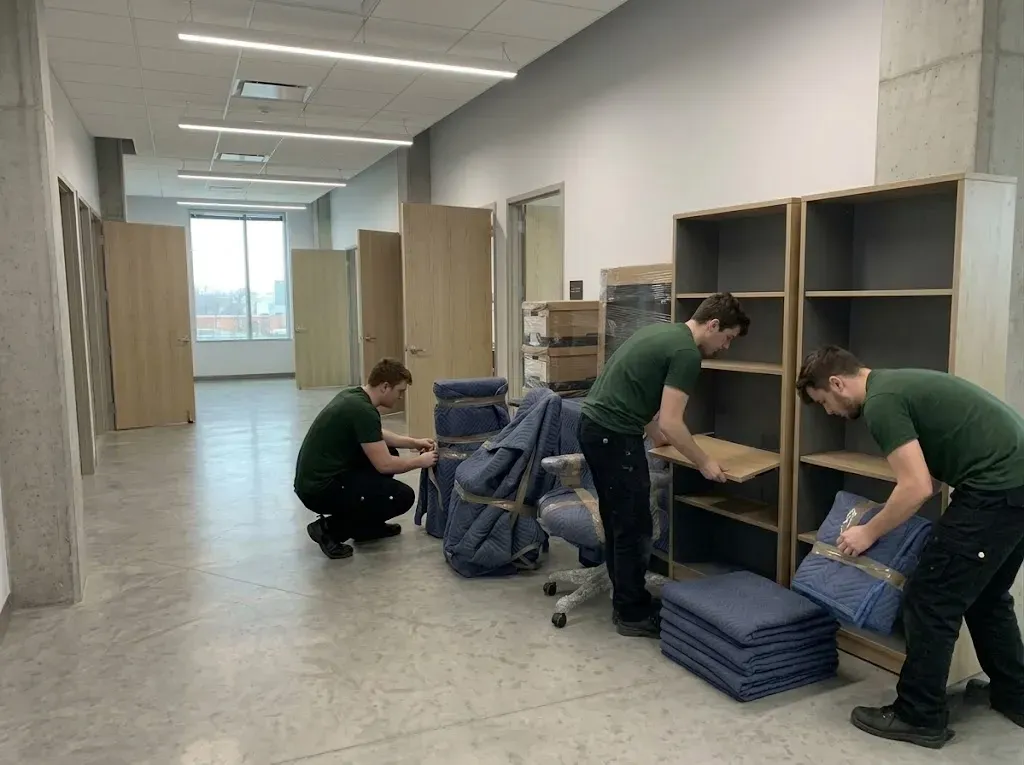
Standing desks involve more steps than the box suggests, particularly motorized frames with cable management channels running through the legs. Ergonomic chair assembly tolerates no skipped steps on the seat pan and lumbar adjustment mechanisms. For commercial installations, reception desks and modular workstation configurations are handled under the same process and quality standard as residential jobs.
Patio dining sets and outdoor sectionals use hardware grades that differ from indoor flat-pack and often require hex keys and torque levels that consumer tools don't reliably deliver. Pergola assembly is a distinct structural task involving load-bearing connections. Storage shed assembly is scoped and priced separately given the number of panels and the outdoor anchoring requirements involved.
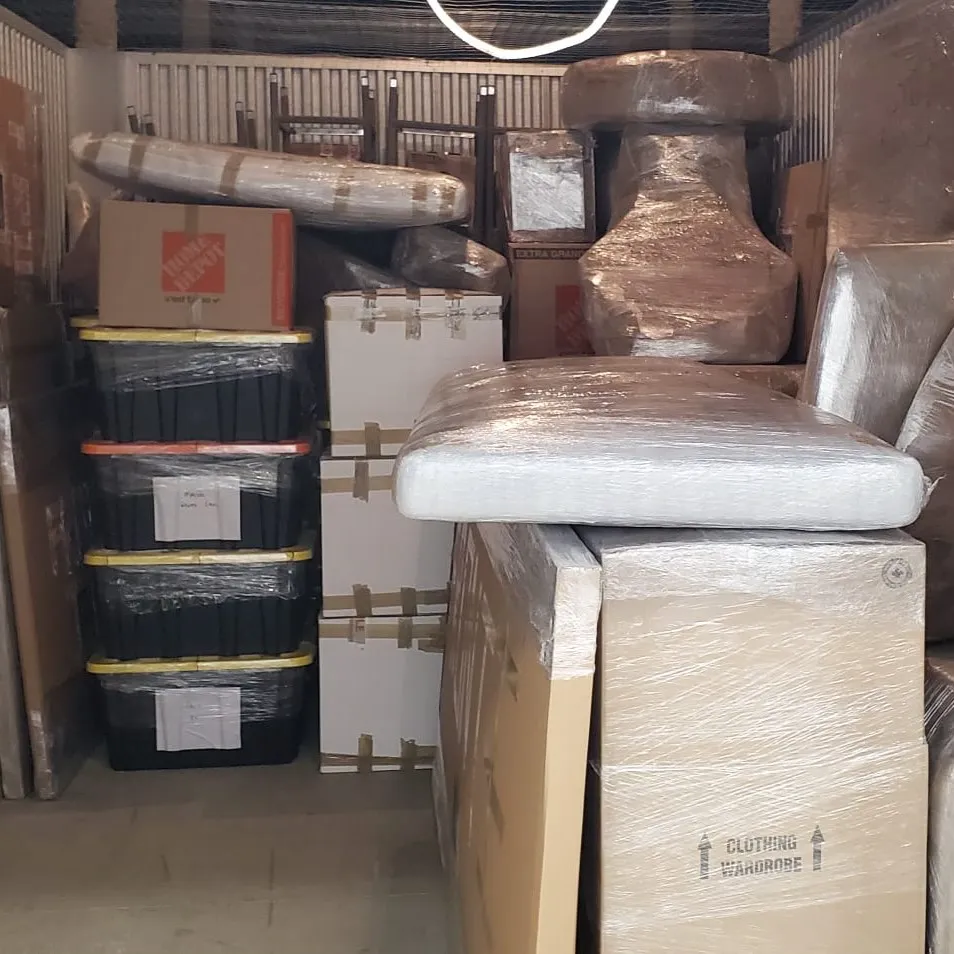
Furniture that cannot fit through a doorway assembled is disassembled on site, with all hardware bagged and labelled by panel so reassembly at the destination is clean. Some flat-pack furniture is glued or press-fitted during assembly and cannot be taken apart without damage. Identifying this before any hardware is removed protects the piece and prevents wasted time on both ends of the move.
Antique furniture disassembled for a move, heirloom pieces, and items that arrived with damaged or incorrect hardware fall outside the standard flat-pack scope but within the team's capability. Hardware replacement is sourced through the correct manufacturer channel. Non-standard joinery is assessed before assembly begins so the approach is matched to the specific piece.
IKEA is the dominant flat-pack brand across the GTA, and the PAX wardrobe and KALLAX shelving systems are among the most assembled pieces in any residential setting. Both are significantly more complex than they appear in the showroom. PAX wardrobes with interior fittings require a specific installation sequence to avoid needing to disassemble the outer carcass after the fact. KALLAX units being wall-mounted need the correct anchor hardware matched to the specific wall type. Wayfair products often appear simpler than IKEA on the page but use a wider variety of assembly systems across their catalogue, and hardware quality varies considerably between the manufacturers selling under the Wayfair platform.
Amazon furniture carries the widest range of assembly complexity and hardware quality, from well-engineered pieces to sets where the included Allen key is undersized for the bolts it is meant to drive. Article ships higher-end flat-pack with tighter tolerances and heavier panels than most box-store brands. Structube has a strong presence across the GTA and specific assembly quirks on their upholstered frames and storage units that the team has worked through repeatedly. For heirloom pieces disassembled for a move or antiques requiring hardware replacement, the assembly approach is scoped to the specific piece before work begins.
Our team is available 9am - 9pm, 7 days a week to help plan your perfect move.
Improperly assembled bed frames and bookshelves are among the most documented causes of home furniture injuries, particularly for children. The failure mode is not dramatic on day one. A bed frame assembled with undertightened cam locks feels solid for weeks before the panel connection loosens and the frame shifts under load. Manufacturer warranties from IKEA, Wayfair, and most major retailers explicitly exclude structural failures caused by assembly errors. Using a power drill on cam locks or the wrong bit on connector screws permanently strips the hardware and the panel bore, leaving the piece unfixable without manufacturer replacement parts.
Wardrobe doors and drawer fronts that don't align correctly are the visible result of a sequencing error made early in the assembly process. Correcting the alignment requires returning to the source step, which means full or partial disassembly. Bookshelves, wardrobes, and any tall storage unit that is not wall-anchored is a tip-over risk in any home with children. Ontario building codes and IKEA's own installation guidelines both specify anchoring requirements for units exceeding certain heights. An unanchored PAX wardrobe that falls is a documented injury scenario across North American households, not a theoretical edge case.
All boxes are opened and every part is inventoried against the parts list before a single screw is turned. Damaged or missing components are identified and reported before assembly begins, not discovered mid-build when the job is already partially complete and reversal is costly.
Floor protection goes down before the first panel is moved. The final placement location is confirmed before assembly starts because certain pieces, particularly large wardrobes and full-size bed frames, cannot be repositioned once assembled without partial disassembly.
The full assembly sequence is read from start to finish before work begins. Assembly errors originate from not understanding how early steps constrain later ones. Reviewing the complete sequence first prevents the most common cause of structural misalignment before any hardware is touched.
Panels are aligned before hardware is tightened at each stage. Cam locks are set by hand first, adjusted for panel alignment, then torqued to specification. Structural connections are verified at each stage before proceeding. The sequence is never compressed to save time on a job.
All cam locks, bolts, and connector screws are torqued to the correct specification using calibrated tools. Overtightening strips hardware. Undertightening produces a connection that fails under load. Wall anchoring is assessed at this stage for any unit that meets height or weight thresholds requiring it.
Every door, drawer, shelf, and moving part is operated through its full range before the job is signed off. All packaging is removed and disposed of if requested. The assembly area is left clean. Payment is not collected until the customer confirms the piece is correct.
Furniture that cannot move through a doorway or into an elevator assembled requires disassembly on site before the move. This is distinct from standard furniture assembly and is priced and scoped as a separate service. All hardware removed during disassembly is bagged, labelled by panel and location, and organized so that reassembly at the destination is clean and complete. The labelling process adds time to the job but eliminates the guesswork that causes misaligned reassemblies and missing hardware at the other end.
Not all flat-pack furniture can be disassembled after initial assembly. Pieces that were glued during the build, or that use press-fit connectors designed for single-use, cannot be taken apart without structural damage to the panels. Identifying this at the start of the job, before any hardware is removed, is part of the disassembly service. Reassembly at the destination is available and priced at a reduced rate when combined with a full move booking.
Fifteen years of furniture assembly across residential and commercial jobs means the team has assembled the same PAX wardrobe configuration, the same KALLAX unit, and the same standing desk model dozens of times each. Professional-grade electric screwdrivers calibrated to correct torque settings prevent the stripped hardware that consumer tools produce through overtightening. Payment is collected only after the job is complete and the customer confirms the piece is correct. This is not standard industry practice. Most assembly services collect payment at booking or on arrival. If a piece is damaged during assembly, the insurance coverage in place determines the resolution process before any work begins, and that process is explained at booking rather than after the fact.
Specific answers to the questions that come up most often when booking a furniture assembly job.
Experience a stress-free move with Move Your Stuff. Choose us, and here's what you can expect:
Initiate a personalized discussion with our friendly representatives to outline your unique needs.
Collaborate with our adept management to craft a meticulous plan, leaving no room for unexpected surprises.
Entrust your move to a team with a sterling reputation throughout the GTA, boasting years of proven experience.
Enjoy bespoke moving procedures tailored to accommodate the specific demands of commercial ventures or relocations.
Prioritization of your organizational needs as we expedite the process of getting your space in order swiftly and efficiently.
Respect for your time is our commitment; we dispatch promptly and communicate transparently, ensuring minimal disruptions.
OUR SERVICE AREAS